

In Canada, sustainability data is becoming essential to real estate performance. As energy costs rise, regulation evolves, and investor scrutiny increases, owners and operators need better data to manage risk, guide capital decisions, and improve asset performance.
Canada’s policy direction is accelerating that shift. The Canadian Net-Zero Emissions Accountability Act enshrines the federal government’s commitment to achieve net-zero greenhouse gas emissions by 2050 and establishes the 2030 target of reducing emissions 40 to 45% below 2005 levels.
At the same time, the Canada Green Buildings Strategy makes clear that buildings are central to that effort. It notes that the sector accounts for 18 percent of Canada’s emissions when electricity-related emissions are included and states that Canada will need to retrofit existing homes and buildings at a rate of around 3 percent per year to stay on track for net zero by 2050.
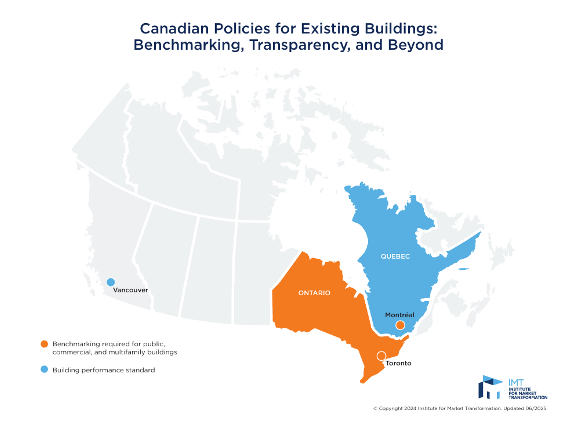
That national direction is also showing up in local requirements. Toronto now requires larger buildings to report energy and water use each year, and Montréal requires many large buildings to report energy use and emissions.
Canadian real estate firms need reliable, decision-ready sustainability data they can use not only for compliance, but to make better operational and investment decisions.
Sustainability Data Is Becoming Core to Real Estate Performance
Canada’s commercial real estate market is facing growing pressure from every direction, including federal policy, local benchmarking requirements, and rising expectations from investors and tenants. The challenge is no longer just collecting data. It is turning that data into something credible, useful, and actionable.
That matters even more as retrofits, building performance, and resilience become more closely tied to cost, risk, and long-term asset value. The Canada Green Buildings Strategy reflects that shift by linking better building performance to lower energy costs, stronger resilience, and broader economic opportunity, while also supporting local benchmarking, disclosure, and building performance efforts.
Measurabl and REALPAC
Measurabl is proud to join the Real Property Association of Canada (REALPAC) as a Corporate Sponsor, partnering with one of the most influential organizations in Canadian commercial real estate.
REALPAC represents the leaders shaping how real estate is financed, operated, and regulated across Canada, with members responsible for more than $1 trillion in assets under management.
This partnership reflects a shared belief that better data is foundational to better outcomes. As sustainability becomes more embedded in how portfolios are managed, the quality, comparability, and usability of building data matter more than ever.
Turning Sustainability Data into Investment Decisions
Turning Sustainability Data into Investment Decisions
At Measurabl, we’ve long believed that reporting answers external questions, but insight informs internal decisions. The firms pulling ahead are those using sustainability data not only to support compliance, but to identify performance gaps, reduce operating costs, benchmark assets, and make smarter investment decisions.
Today, Measurabl supports nearly 151 million square meters of real estate across Canada, helping provide a foundation for benchmarking, emissions tracking, and portfolio-level analysis.

Advancing Benchmarking and Sustainable Finance in Canada
Through this partnership, Measurabl will contribute to industry dialogue around real estate benchmarking, sustainable finance, and transition risk, while engaging directly with Canada’s leading real estate organizations.
We look forward to working with REALPAC members, staff, and sponsors in the year ahead to support industry dialogue, exchange ideas, and help advance practical progress across the market.
As sustainability becomes more embedded in how real estate is valued and financed, the ability to turn sustainability data into performance will help define market leaders in Canada.
Contact us here to learn more about this partnership, Measurabl, or opportunities to work together.